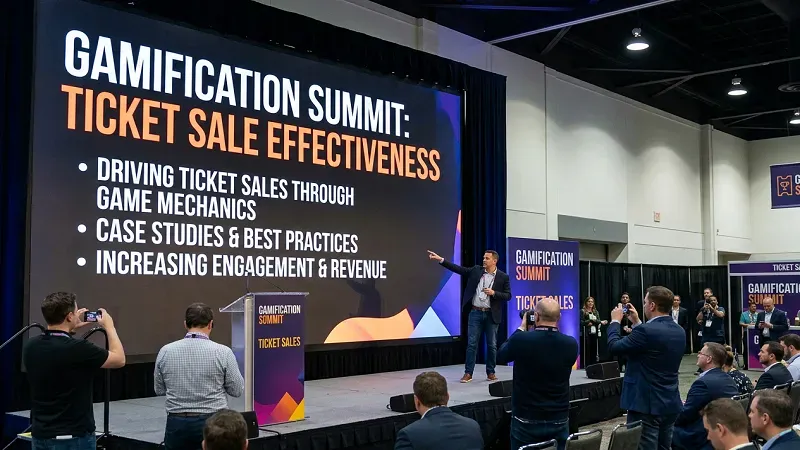
In today’s competitive event industry, selling tickets is not just about offering a seat; it is about creating an experience even before the event begins. The concept of ticket sale effectiveness gamificationsummit focuses on using game-like strategies to increase engagement, attract more buyers, and boost overall ticket sales. Gamification transforms the traditional buying process into something interactive, fun, and rewarding. Instead of simply listing ticket prices, event organizers can encourage users to participate, compete, and feel excited about purchasing tickets.
Gamification works because it taps into human psychology. People enjoy challenges, rewards, and recognition. When these elements are added to ticket sales strategies, customers feel more involved and motivated to act quickly. This approach is especially useful for events like summits, conferences, and festivals where engagement is key to success.
Understanding Ticket Sale Effectiveness
Ticket sale effectiveness refers to how successfully an event converts interest into actual ticket purchases. It involves multiple factors such as pricing, marketing strategies, timing, audience targeting, and user experience. When we talk about improving ticket sale effectiveness gamificationsummit, we focus on enhancing these factors using creative and engaging methods.
A highly effective ticket sales strategy ensures that potential attendees not only know about the event but are also motivated to buy tickets quickly. This includes creating urgency, offering incentives, and making the purchase process smooth and enjoyable. Gamification adds an extra layer by turning the process into a rewarding journey rather than a simple transaction.
What is Gamification in Ticket Sales?
Gamification means applying elements of games, such as points, rewards, challenges, and leaderboards, to non-game activities. In the context of ticket sales, gamification encourages users to engage more actively with the event platform.
For example, customers might earn points for signing up early, sharing the event with friends, or purchasing tickets in advance. These points can then be redeemed for discounts, exclusive access, or special perks. This method makes the entire experience more exciting and interactive, which directly improves ticket sales effectiveness gamificationsummit.
Gamification is not about creating a full game but about adding small, engaging elements that motivate users to take action. Even simple features like progress bars or countdown timers can significantly influence buying behavior.
Why Gamification Improves Ticket Sales
Gamification improves ticket sales because it creates emotional engagement. When people feel involved in a process, they are more likely to complete it. Traditional ticket sales rely heavily on information and pricing, but gamification adds excitement and curiosity.
One major advantage is the sense of achievement. When customers earn rewards or complete challenges, they feel satisfied and are more likely to continue interacting with the platform. This increases the chances of conversion.
Another benefit is social sharing. Gamified systems often encourage users to invite friends or share achievements. This creates organic marketing, helping events reach a wider audience without extra cost. As a result, ticket sales effectiveness gamificationsummit becomes stronger through both engagement and visibility.
Key Gamification Strategies for Ticket Sales
There are several gamification strategies that event organizers can use to boost ticket sales. Each strategy focuses on increasing engagement and motivating users to take action.
One effective approach is offering early-bird challenges. Instead of simply providing discounted tickets, organizers can create limited-time challenges where users unlock discounts by completing specific actions. This adds excitement and urgency.
Another strategy is reward-based systems. Customers can earn points for actions like signing up, sharing the event, or purchasing tickets. These points can then be exchanged for benefits such as VIP access or merchandise.
Leaderboards are also powerful tools. By showing top participants or buyers, organizers can encourage competition among users. People often enjoy being recognized, and this can drive more engagement.
Finally, referral programs work extremely well. Users can earn rewards by inviting friends to purchase tickets. This not only increases sales but also builds a community around the event.
The Role of Technology in Gamification
Technology plays a crucial role in implementing gamification strategies effectively. Modern event platforms and ticketing systems allow organizers to integrate gamified features seamlessly.
Mobile apps, websites, and social media platforms can all be used to deliver gamified experiences. For example, push notifications can remind users of ongoing challenges or limited-time rewards. Interactive dashboards can show progress, points, and achievements.
Data analytics is another important aspect. By tracking user behavior, organizers can understand what strategies work best and adjust their approach accordingly. This ensures continuous improvement in ticket sales effectiveness gamificationsummit.
Artificial intelligence and automation can also enhance personalization. Users can receive tailored recommendations, rewards, and challenges based on their preferences, making the experience more engaging and relevant.
Benefits of Gamification for Event Organizers
Gamification offers several benefits for event organizers beyond just increasing ticket sales. One major advantage is higher engagement. When users interact more with the platform, they are more likely to remember the event and stay interested.
Another benefit is improved brand image. A creative and interactive ticketing process makes the event stand out from competitors. This can lead to a better reputation and long-term success.
Gamification also helps in building a loyal community. When users feel rewarded and appreciated, they are more likely to attend future events and recommend them to others. This creates a strong foundation for growth.
Additionally, gamification provides valuable insights into customer behavior. Organizers can learn what motivates their audience and use this information to improve future strategies.
Challenges in Implementing Gamification
While gamification offers many benefits, it also comes with challenges. One common issue is overcomplication. If the system is too complex, users may feel confused and lose interest. It is important to keep the experience simple and user-friendly.
Another challenge is balancing rewards. If rewards are too easy to obtain, they may lose value. On the other hand, if they are too difficult, users may feel discouraged. Finding the right balance is key to success.
Technical limitations can also be a concern. Not all platforms support advanced gamification features, and implementing them may require additional resources and expertise.
Lastly, maintaining engagement over time can be difficult. Organizers need to continuously update challenges and rewards to keep users interested. Without regular updates, the system may become less effective.
Real-Life Applications of Gamified Ticket Sales
Gamification has been successfully used in many events around the world. Conferences, music festivals, and business summits have all adopted gamified ticketing strategies to boost sales.
For example, some events use countdown timers and limited-time offers to create urgency. Others use interactive quizzes or challenges where participants can win discounts or free tickets.
Social media campaigns also play a big role. Users may be encouraged to share posts or participate in contests to earn rewards. This not only increases engagement but also spreads awareness.
These real-life applications show how ticket sale effectiveness gamificationsummit can be improved through creative and well-planned strategies.
Future Trends in Gamified Ticket Sales
The future of gamified ticket sales looks promising, with new technologies and trends emerging. Virtual and augmented reality may soon be used to create immersive pre-event experiences, allowing users to explore venues or interact with content before purchasing tickets.
Blockchain technology could also play a role in secure and transparent ticketing systems. Gamification elements can be integrated with digital tokens and rewards, creating new opportunities for engagement.
Personalization will continue to be a key trend. Advanced algorithms can analyze user behavior and offer customized challenges and rewards, making the experience more relevant and effective.
As technology evolves, the potential for improving ticket sale effectiveness gamificationsummit will continue to grow, offering new ways to engage audiences and increase sales.
Conclusion
Ticket sale effectiveness gamificationsummit highlights the importance of combining creativity with strategy in modern event marketing. By integrating gamification into ticket sales, organizers can transform a simple process into an engaging and rewarding experience.
From increasing engagement to boosting conversions, gamification offers numerous benefits for both organizers and attendees. While there are challenges to overcome, the potential rewards make it a valuable approach for any event.
As the industry continues to evolve, those who embrace gamification will have a competitive advantage. By focusing on user experience, innovation, and continuous improvement, event organizers can achieve greater success and create memorable experiences for their audiences.