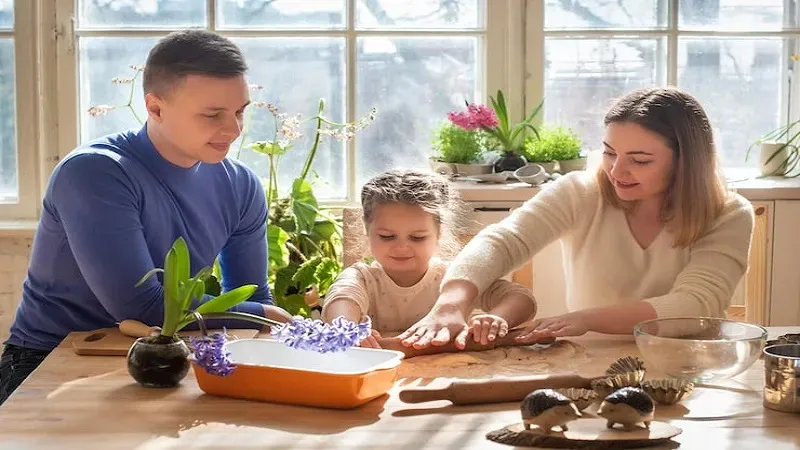
This guide is not about perfection. Instead, it encourages families to create a peaceful lifestyle with small daily improvements. From healthy habits to better communication, every simple step can make family life more enjoyable and less stressful.
Understanding the Meaning of a Balanced Family Life
A balanced family life means giving proper attention to work, relationships, health, and personal time. Many parents become overwhelmed because they try to do everything perfectly. However, balance is about managing priorities wisely instead of chasing perfection.
Families can start by creating routines that fit their lifestyle. Simple schedules for meals, schoolwork, cleaning, and relaxation can reduce stress and confusion. Children also feel more secure when daily routines are consistent.
Parents should also remember to care for themselves. Taking time for rest, hobbies, or exercise helps improve mental health and energy levels. When parents feel calm and happy, the whole family benefits.
The Importance of Positive Parenting
Positive parenting is one of the most important parts of a healthy home. Children learn behaviors, communication styles, and emotional habits from their parents. A calm and supportive environment helps children grow with confidence and respect.
Instead of using harsh punishment, parents can guide children through understanding and communication. Listening carefully to children’s feelings makes them feel valued and safe. Encouraging good behavior with praise also helps build self-esteem.
Parents should set clear rules while remaining kind and patient. Children need discipline, but they also need emotional support. Strong family relationships are built through trust and respect.
Creating Healthy Daily Habits
Healthy habits improve both physical and emotional well-being. Families do not need complicated routines to stay healthy. Small daily changes can make a big difference over time.
Eating balanced meals together encourages healthier food choices and family bonding. Drinking enough water, reducing junk food, and adding fruits and vegetables are simple ways to improve nutrition.
Regular physical activity is also important. Families can enjoy walks, bike rides, outdoor games, or simple home exercises together. These activities improve health while creating happy memories.
Good sleep habits should also be a priority. Children and adults both need enough rest to stay focused, active, and emotionally balanced.
Smart Time Management for Parents
Managing time effectively helps reduce daily stress. Many parents struggle because they try to complete too many tasks at once. Simple planning can make everyday life easier.
Creating a weekly schedule helps organize important tasks such as shopping, cleaning, school events, and work responsibilities. Using calendars or reminder apps can help families stay organized.
Parents should also learn to prioritize important activities instead of trying to do everything perfectly. Some tasks can wait while family time and health should remain priorities.
Sharing responsibilities with family members also saves time. Children can help with simple chores like organizing toys, folding clothes, or cleaning their study area.
Building Strong Communication Within the Family
Communication is the foundation of every strong family relationship. Families that talk openly often understand each other better and solve problems more peacefully.
Parents should encourage children to express their feelings without fear. Listening carefully without immediate criticism helps children feel respected. Even small daily conversations during meals or bedtime strengthen emotional connections.
Honesty is also important. Family members should communicate clearly and respectfully during disagreements. Calm discussions help solve problems more effectively than shouting or anger.
Technology should not replace real communication. Spending quality time together without phones or television helps families connect emotionally.
Home Organization for a Peaceful Environment
A clean and organized home creates a more peaceful atmosphere. Clutter often increases stress and makes daily tasks harder. Families can create a comfortable space by keeping things simple and organized.
Start with small areas such as kitchen counters, children’s rooms, or closets. Donating unused items creates more space and reduces unnecessary mess. Storage baskets and shelves also help keep items organized.
Daily cleaning routines prevent tasks from becoming overwhelming. Even spending 15 to 20 minutes cleaning each day can keep the home manageable.
Children should also learn basic organization skills from a young age. Teaching responsibility helps them develop good habits for the future.
Supporting Children’s Emotional Growth
Children need emotional support just as much as physical care. Helping children understand emotions improves confidence, social skills, and mental health.
Parents should encourage children to talk about feelings like sadness, anger, or fear. Emotional support teaches children that their feelings are important and valid.
Praise and encouragement also play a major role in emotional development. Celebrating small achievements helps children build self-confidence.
Parents should avoid comparing children to others. Every child develops skills and abilities at their own pace. Patience and support create a healthier learning environment.
Simple Financial Habits for Families
Managing money wisely helps families reduce stress and prepare for future needs. Financial planning does not need to be complicated. Small budgeting habits can make a big difference.
Families can start by tracking monthly expenses and reducing unnecessary spending. Cooking meals at home, avoiding impulse purchases, and planning shopping lists help save money.
Teaching children basic money management is also helpful. Children can learn the value of saving through small allowances and budgeting lessons.
Emergency savings are important for unexpected situations. Even small monthly savings create financial security over time.
The Role of Self-Care for Parents
Parents often focus so much on family responsibilities that they forget to care for themselves. However, self-care is necessary for mental and physical health.
Simple activities such as reading, walking, listening to music, or spending quiet time alone can reduce stress. Parents should not feel guilty about taking breaks when needed.
Mental health is equally important. Talking to friends, family members, or professionals during stressful times can provide support and guidance.
Healthy parents create healthier homes. When parents feel emotionally balanced, they can better support their children and relationships.
Making Family Time More Meaningful
Spending quality time together strengthens family relationships and creates lasting memories. Family time does not need to be expensive or complicated.
Simple activities such as movie nights, cooking together, board games, or outdoor walks help families connect. Shared experiences improve communication and emotional bonding.
Families should also celebrate special moments together. Birthdays, holidays, achievements, and traditions create a sense of belonging and happiness.
Even busy families can find small moments to connect daily. Eating dinner together or talking before bedtime can strengthen relationships over time.
Using Technology Wisely at Home
Technology is part of modern life, but excessive screen time can affect relationships, sleep, and mental health. Families should create healthy technology habits.
Parents can set screen time limits for children and encourage offline activities like reading, sports, or creative hobbies. Family rules about phone use during meals or bedtime also improve communication.
Technology can still be useful when used wisely. Educational apps, online learning tools, and video calls with relatives can support family life positively.
The key is balance. Families should use technology to improve life rather than allowing it to control daily routines.
Encouraging Learning and Creativity
Children grow best in environments that encourage learning and creativity. Parents do not need expensive programs to support education and imagination.
Reading books together improves language skills and strengthens parent-child connections. Art activities, puzzles, storytelling, and science experiments also help children develop creativity.
Parents should encourage curiosity by answering questions and supporting new interests. Learning becomes more enjoyable when children feel encouraged instead of pressured.
Creative hobbies also reduce stress and improve confidence for both children and adults.
The Power of Gratitude and Positivity
A positive mindset helps families handle challenges more effectively. Gratitude teaches family members to appreciate the good things in life, even during difficult times.
Families can practice gratitude by sharing positive moments each day. Simple habits like saying thank you, helping others, and focusing on achievements create a happier environment.
Positive thinking does not mean ignoring problems. Instead, it means facing challenges with hope and patience. Children who grow up in supportive and optimistic homes often develop stronger emotional resilience.
Using encouraging words and showing kindness daily improves the atmosphere of the entire household.
Why Life Guide Impocoolmom Inspires Modern Families
Many modern families look for realistic advice instead of impossible standards. Life guide impocoolmom encourages simple improvements that fit real family life. It focuses on balance, kindness, organization, and emotional well-being.
The idea reminds parents that they do not need to be perfect. Small positive actions each day can create a loving and supportive home environment. Families become stronger through communication, patience, and shared experiences.
By following practical habits and focusing on what truly matters, parents can reduce stress and enjoy more meaningful family moments.
Conclusion
Creating a happy and balanced family life does not require perfection or expensive solutions. Small daily habits can improve relationships, reduce stress, and build stronger emotional connections. Families benefit from healthy routines, positive communication, smart organization, and meaningful time together.
Life guide impocoolmom offers a practical approach for modern parents who want a peaceful and supportive home environment. By focusing on balance, kindness, and emotional well-being, families can create a lifestyle filled with comfort, confidence, and happiness.
Every family is different, and there is no single perfect method for success. However, consistent small efforts can lead to long-lasting positive changes. A supportive home built on love, understanding, and healthy habits creates the foundation for a happier future.